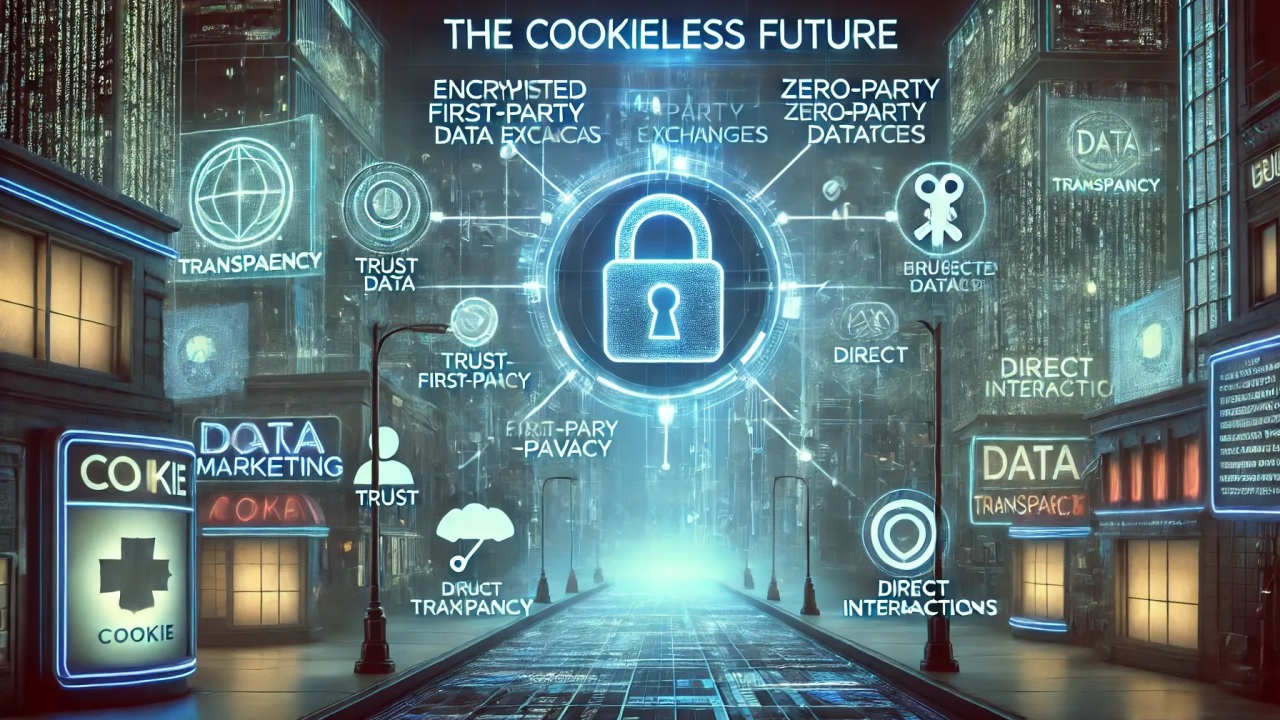
For decades, digital advertising has been powered by a hidden engine: the third-party cookie. These small files, placed on a user’s browser by a website, have been the backbone of targeted advertising, allowing marketers to track user behavior across the web, build detailed profiles, and deliver highly personalized ads. However, the golden age of the third-party cookie is coming to an end. Fueled by growing consumer privacy concerns and major browser changes, the cookieless world is no longer a distant future—it is a present reality. In this new landscape, the traditional marketing playbook is being rewritten, and the most forward-thinking businesses are recognizing that the real competitive advantage lies not in borrowed data, but in the data they own: first-party data.
This shift represents a new kind of digital gold rush. While third-party data was a shared resource, a vast and often murky ocean of user information, first-party data is a private, owned asset. It is the information you collect directly from your customers and your audience through your own channels. This includes customer purchase history, website browsing behavior, email sign-ups, and app usage. The businesses that have invested in building a robust 1st Party Data Tracking – AdBeacon strategy are not just prepared for the cookieless future; they are positioned to win it, creating deeper relationships and more effective marketing campaigns than ever before.
Understanding the Shift: From Borrowed to Owned Data
The demise of the third-party cookie is a direct response to a fundamental change in consumer sentiment. Users are increasingly aware of and concerned about their online privacy. They are tired of feeling tracked, and they want more control over their personal information. Major browsers like Safari and Firefox have already blocked third-party cookies by default, and Google Chrome, the market leader, is following suit. This change is not a setback for marketers; it is a catalyst for a more respectful, transparent, and ultimately more effective approach to customer engagement.
For too long, many businesses relied on third-party data as a crutch. It was easy to purchase lists and target audiences without ever needing to build a direct relationship with them. In the cookieless world, this model is no longer viable. Marketers are being forced to think more strategically, to earn their data by providing value to their customers in exchange for their information. This shift is not about a loss of capability; it’s about a redirection of focus—from broad, impersonal targeting to a more intimate, one-to-one relationship with the customer.
The Power of First-Party Data: Deeper Insights and Better Personalization
First-party data offers a level of insight and a quality of information that third-party data simply cannot match. While third-party data provides a general, often anonymous, picture of a user, first-party data provides a rich, contextual, and accurate view of a real person. You know what your customers have purchased, what they’ve browsed on your site, and what they’ve told you about their preferences. This allows for a level of personalization that is both more effective and more respectful.
With first-party data, you can segment your audience with precision and build highly tailored marketing campaigns. For example, an e-commerce brand can send a targeted email to a customer who has a history of purchasing a specific product, offering a discount on a related item. A content publisher can recommend articles to a reader based on their past reading history. This is personalization that is not based on a broad assumption but on a specific, known relationship. This level of relevance not only improves conversion rates but also builds customer loyalty. When a customer feels like a brand understands their needs and preferences, they are more likely to return.
The Future of Advertising: A More Ethical and Effective Model
The cookieless world is not the end of digital advertising; it is the beginning of a new, more ethical, and more effective model. In this new landscape, advertising will be less about casting a wide net and more about building deep relationships with the people who matter most—your customers. The focus will shift from targeting to nurturing, from mass messaging to personalized communication.
The businesses that are prepared for this future are the ones that are already thinking about first-party data as their most valuable asset. They are investing in the right tools to collect and manage this data, and they are building a culture that prioritizes customer relationships. They are no longer just marketers; they are storytellers, community builders, and trusted partners. This new gold rush is not about who can acquire the most data, but who can build the most meaningful relationships. And in the long run, it is those relationships that will prove to be the most valuable competitive advantage of all.